
What Is an Air Ambulance Flight?
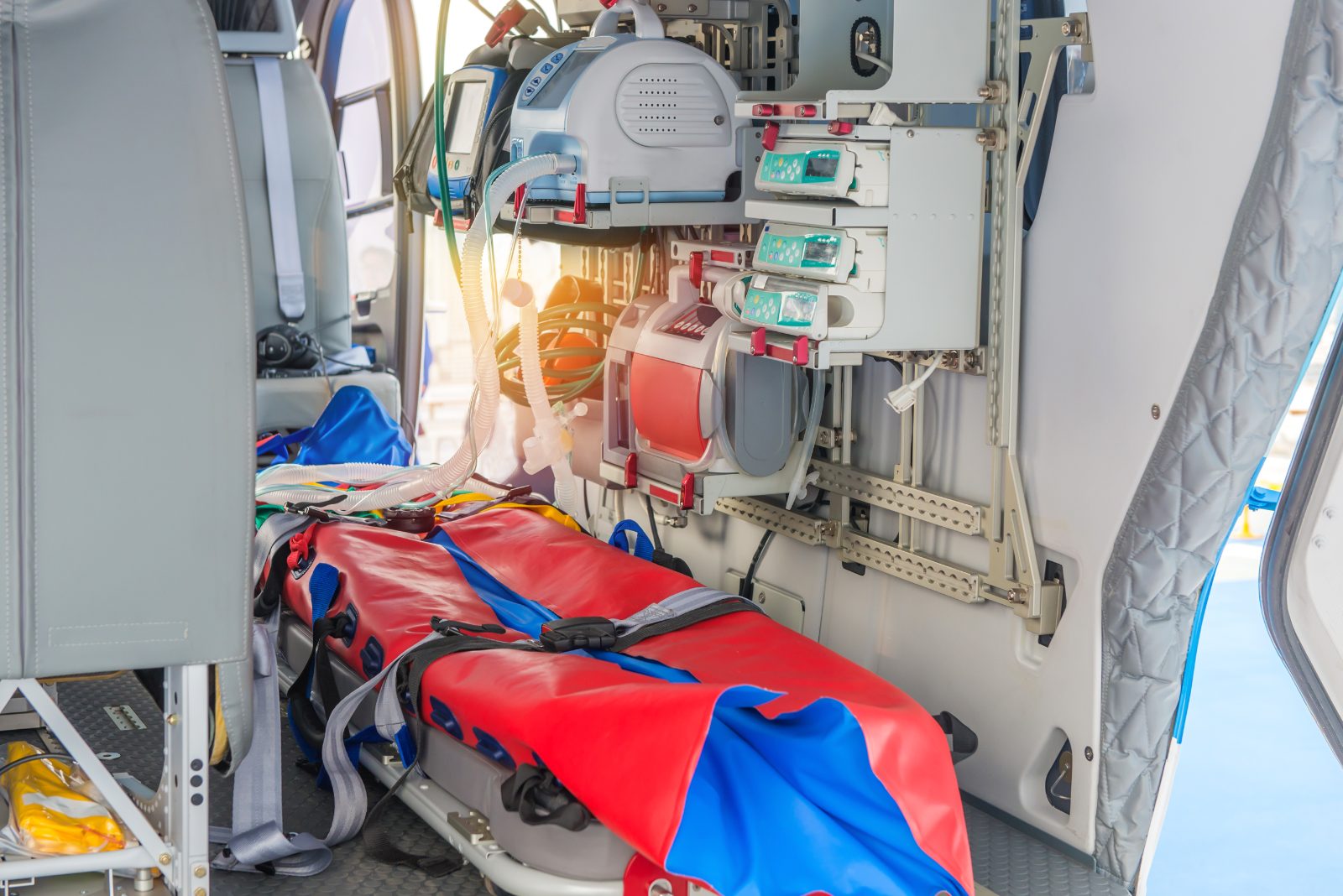
An air ambulance flight uses an aircraft fitted for patient transport, with a medical team and equipment suited to the patient's condition. Depending on the case, the team may include a doctor, nurse or paramedic, with a stretcher, monitoring equipment and oxygen. A common use is medical repatriation: bringing a patient home, or to a hospital in their home country, after illness or injury abroad. The flight is operated by a specialist air ambulance operator, whose medical team provides care on board. PVJets coordinates the flight and the arrangements around it.
- An air ambulance carries a patient with a medical team and equipment on board.
- Fixed-wing aircraft cover longer distances; helicopters cover shorter ones.
- Most transfers are bed to bed, with ground ambulances at both ends.
- The European Health Insurance Card does not cover flights home, so check travel insurance early.
Who Uses Air Ambulance Flights?
Air ambulance flights can be arranged for:
- Patients returning home after illness or injury abroad
- Hospital-to-hospital transfers for specialist treatment
- Families arranging a transfer for a relative
- Insurers and assistance companies
- Patients who cannot travel safely on a scheduled flight
Each transfer is planned around the patient's medical needs and the hospitals at both ends.
Which Aircraft Are Used for Air Ambulance Flights?
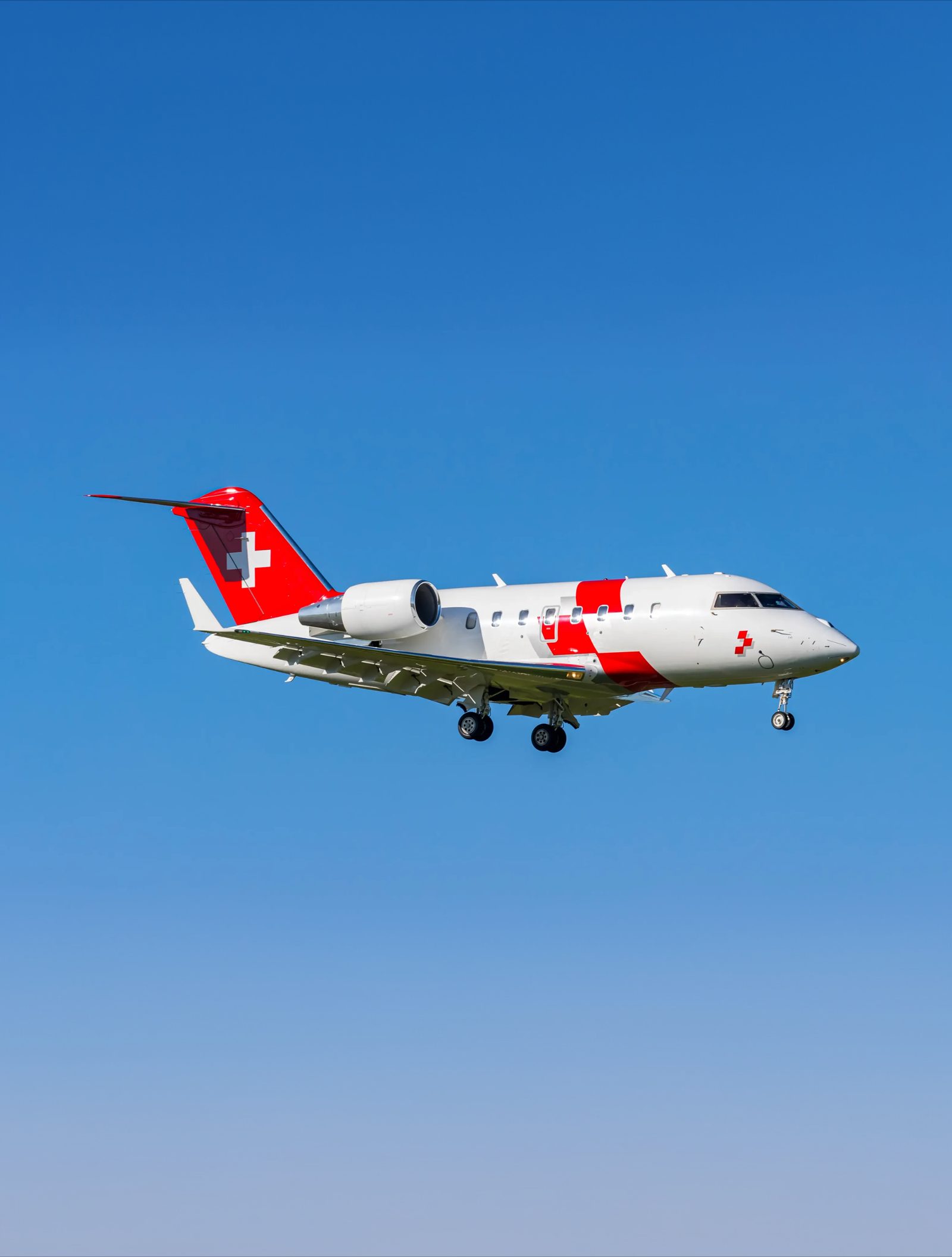
Regional transfers often use turboprops or light and midsize jets fitted with medical interiors. Longer, intercontinental repatriations use long-range jets with space for the patient, medical team and equipment. The operator's medical team and the treating doctor decide what the patient needs on board, and the aircraft is chosen to match.
Fixed-Wing or Helicopter Air Ambulance?
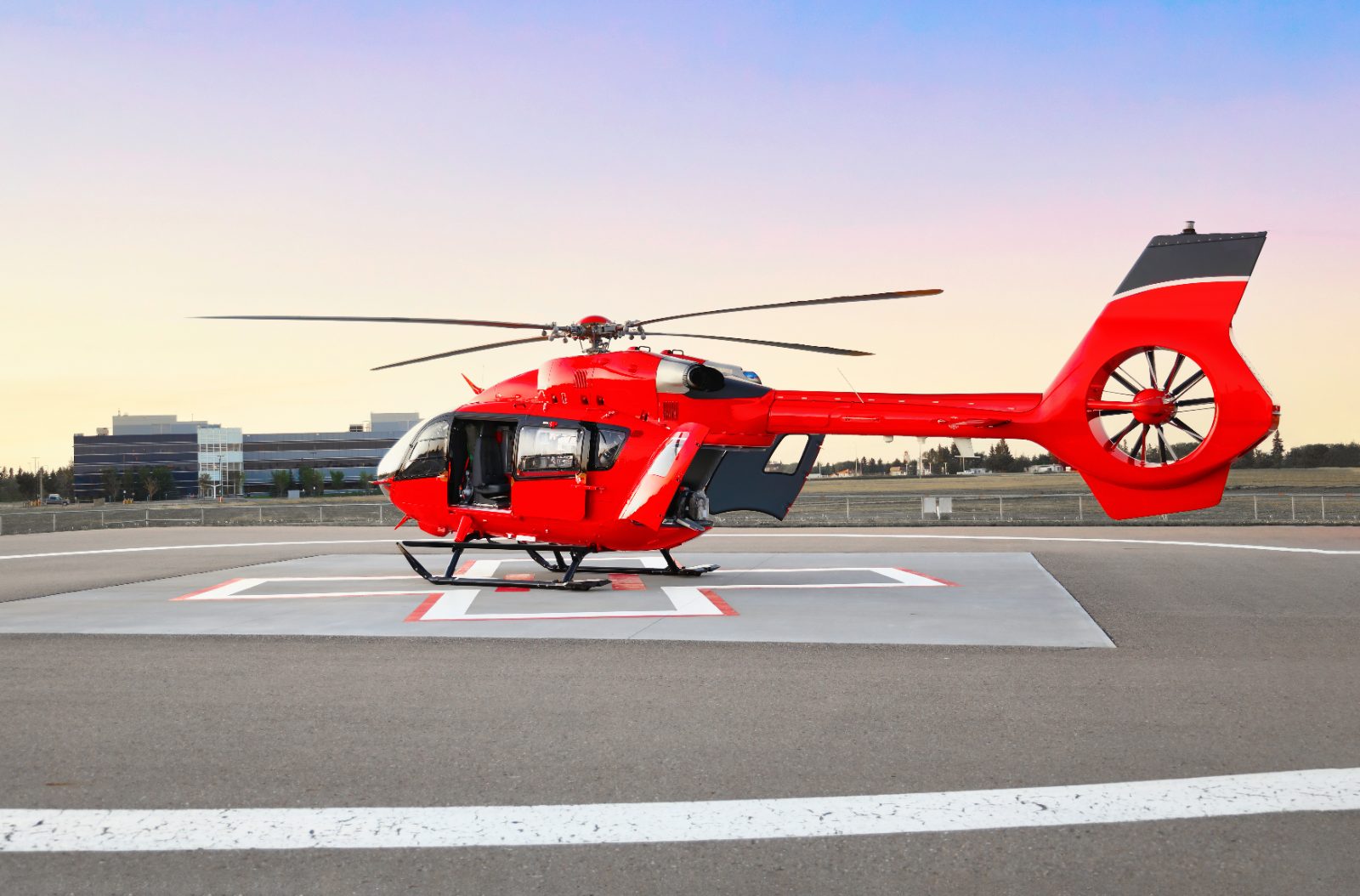
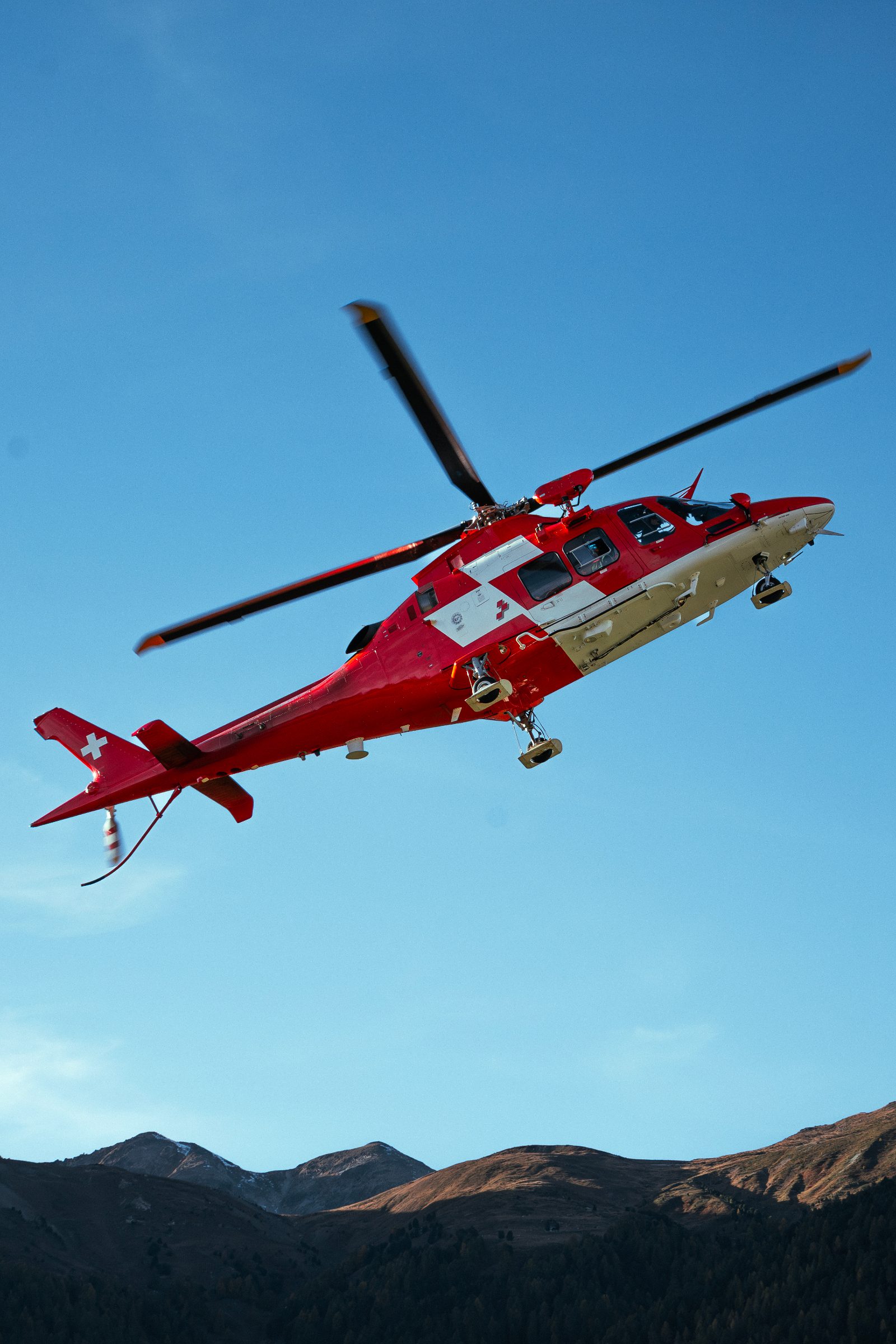
Fixed-wing air ambulances (aeroplanes) suit longer distances, from cross-border transfers to intercontinental repatriation. Helicopters suit shorter distances and can land closer to a hospital or a remote location. In much of Europe, emergency helicopter rescue is run by or on behalf of the public emergency services and dispatched through emergency numbers such as 112. Private helicopters can also be chartered for some medical transfers and evacuations from remote locations, as described on our helicopter charter page.
What Should You Consider When Arranging an Air Ambulance?
- Medical report: A recent report from the treating doctor lets the operator's medical team assess fitness to fly and plan care.
- Bed-to-bed transfer: Ground ambulances at both ends link each hospital to the aircraft.
- Receiving hospital: A bed should be confirmed at the destination hospital before departure.
- Companions: Relatives may be able to travel, depending on space and the patient's needs.
- Documents: Passports, visas and medical paperwork are needed for everyone on board.
- Insurance: Check whether a policy covers the transfer, and whether the insurer must approve it first.
How Much Does an Air Ambulance Flight Cost?
There is no fixed price for an air ambulance flight. The final quotation can depend on:
- Aircraft type and range
- Distance and flight time
- Medical team and equipment
- Ground ambulances at both ends
- Airport, handling and permit fees
- Waiting time or overnight stays
If insurance may cover the flight, contact the insurer early, as many require their own approval before a transfer. The European Health Insurance Card (EHIC) is not a substitute: according to the European Commission, it is not an alternative to travel insurance and does not cover costs such as return flights to your home country.
Dedicated Air Ambulance or Medical Escort?
Stable patients can sometimes fly on a scheduled flight with a doctor or nurse beside them, known as a medical escort. Patients who need a stretcher, close monitoring or more care usually need a dedicated air ambulance. Some airlines can also carry a patient on a stretcher on scheduled flights, although availability is limited.
| Factor | Dedicated air ambulance | Medical escort on a scheduled flight |
|---|---|---|
| Patient | Stable or critical, depending on the team and equipment | Stable patients with limited support needs |
| On board | Medical team and equipment chosen for the patient | A doctor or nurse travelling with the patient |
| Schedule | Arranged around the patient and both hospitals | Fixed airline timetable |
| Privacy | Patient, medical team and companions only | Shared cabin |
| Cost | Higher | Lower |
The treating doctor and the medical team planning the transfer decide which option is safe for the patient.

Arrange a Medical Flight
Share the patient's location, destination and medical needs, and we will coordinate a suitable air ambulance. For urgent cases, call our 24/7 team on +39 348 123 1435.
Request an Air AmbulanceHow to Arrange an Air Ambulance Flight
Arranging an air ambulance usually starts with five details:
- The patient's current location and destination, including both hospitals
- A medical report from the treating doctor
- Preferred timing and how urgent the transfer is
- Companions who wish to travel
- Insurance details, if a policy may cover the flight
PVJets then coordinates a suitable air ambulance operator, whose medical team reviews the case before the flight is confirmed.
Frequently Asked Questions
How quickly can an air ambulance flight be arranged?
There is no standard lead time. Timing depends on the patient's medical clearance, a confirmed bed at the receiving hospital, aircraft and crew availability, and any permits for the route.
Can a family member travel with the patient?
Usually, yes, depending on space on board and the patient's medical needs. The operator confirms how many companions can travel.
Does travel insurance cover air ambulance flights?
Some policies do, often only with the insurer's approval before the transfer. Check the policy and contact the insurer as early as possible.
Who provides the medical care on board?
The air ambulance operator's medical team, such as a doctor, nurse or paramedic, chosen for the patient's condition. PVJets coordinates the flight but does not provide medical care.
Is this the same as calling an ambulance?
No. In an emergency, call 112 or your local emergency number. Air ambulance charter is usually arranged for planned or urgent transfers, such as between hospitals or back home.
Does the European Health Insurance Card (EHIC) cover medical repatriation?
No. The European Commission states that the EHIC is not an alternative to travel insurance and does not cover costs such as return flights to your home country. Check whether private travel insurance covers repatriation.
How much does an air ambulance flight cost?
There is no fixed price. The cost depends on distance, the aircraft, the medical team and equipment, ground ambulances and any waiting time, and a quote is prepared for each case.
Air Ambulance Flights With PVJets
PVJets arranges air ambulance flights with specialist operators for patients, families, hospitals and insurers across Europe and to international destinations. We coordinate aircraft sourcing, ground ambulances and timing according to each case, while the operator's medical team provides care on board. 24/7 Private Aviation Advisor: +39 348 1231435 Email: charter@pvjets.com